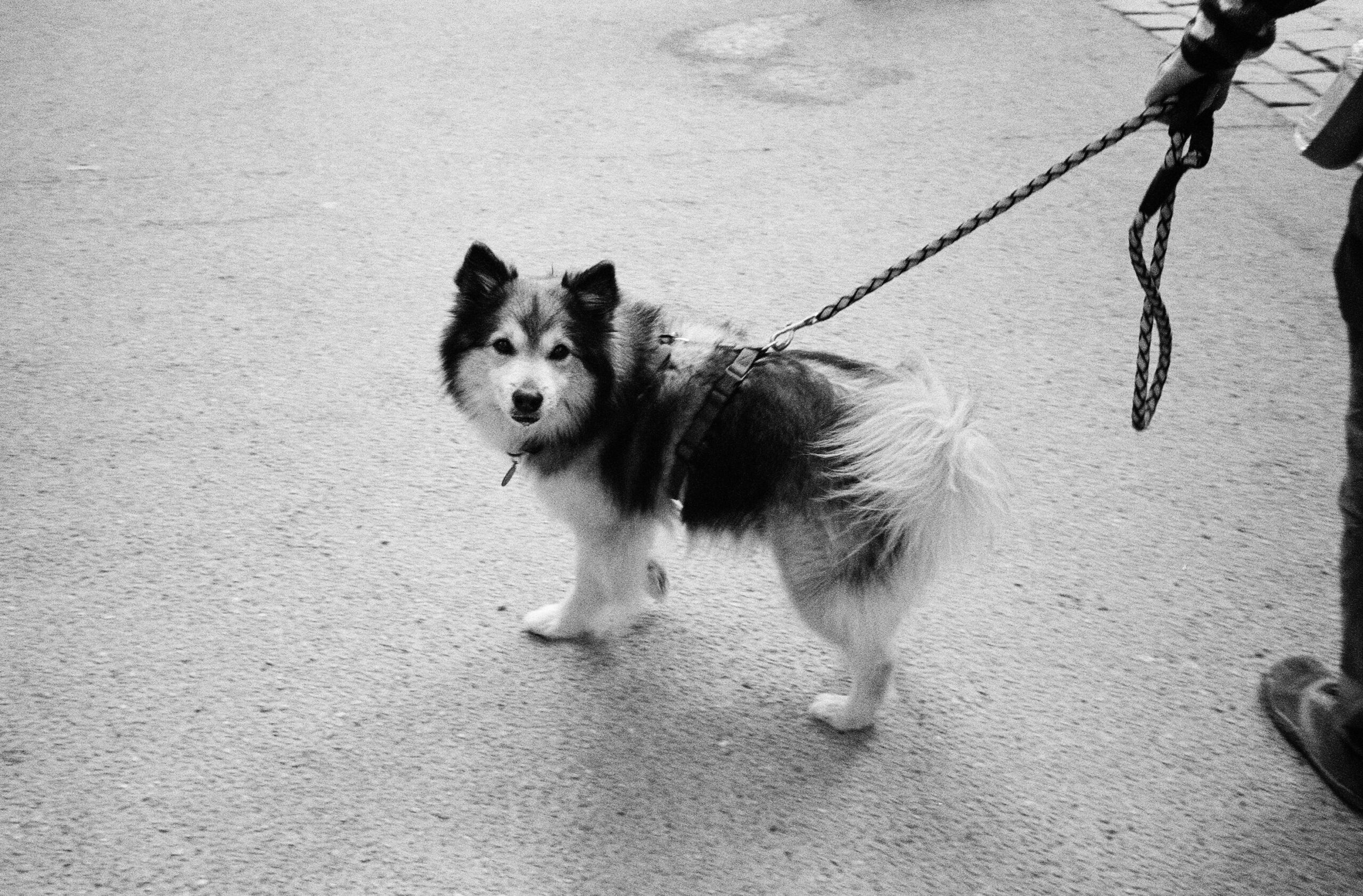
Why Dogs Pull on the Lead and How to Stop It
Lead pulling is one of the most common frustrations dog owners face. Not because it’s dangerous every time, but because it slowly wears you down. Walks become tense. Arms ache. You start avoiding certain routes. You dread the process instead of enjoying it.
The tricky part is that most dogs aren’t pulling because they’re being “bad”. They’re pulling because something about the way walking works makes complete sense to them… even if it makes zero sense to us.
Understanding why it happens is the first step. Fixing it comes next.
Most dogs pull because it works
This is the bit nobody likes hearing, but it’s usually true.
Dogs pull because pulling gets them where they want to go.
They want to reach the grass, the lamp post, the other dog, the interesting smell, the pigeon, the person with food. Every time they lean into the lead and their body moves forward, their brain logs that as success. Pulling becomes a habit because it’s been reinforced hundreds of times without anyone realising.
They’re not trying to dominate you.
They’re not being stubborn.
They’re not “ignoring you out of spite”.
They’re just following the behaviour that’s consistently worked.
The world is far more stimulating for dogs than it is for us
Walks aren’t neutral for dogs. They’re sensory overload in the best and worst ways.
Every pavement holds scent trails, messages from other dogs, food remnants, hormones, stress markers, excitement triggers. Add in moving vehicles, people, other dogs, and you’ve got a brain running at full volume the second they step outside.
A dog that pulls constantly often isn’t being difficult. They’re overstimulated and trying to process too much too fast.
That’s why some dogs walk beautifully in quiet areas and turn into chaos on busy streets.
It’s not defiance.
It’s nervous system overload.
Some dogs are simply built to pull
Breed traits matter more than people like to admit.
Dogs bred for:
- sled pulling
- herding
- working
- hunting
- high stamina roles
often have stronger forward drive by default. They move through the world with purpose. Expecting a husky, collie, terrier or working breed mix to naturally stroll beside you without training is usually unrealistic.
That doesn’t mean they can’t learn.
It just means they need clearer guidance and more consistency.
Your equipment can make it worse
Standard collars, especially when paired with retractable leads, accidentally teach dogs to pull harder.
Retractable leads:
- reward constant tension
- remove clear boundaries
- teach dogs that pressure = movement
- make timing for training almost impossible
Even traditional fixed leads, when attached to flat collars, often encourage dogs to lean into pressure rather than move away from it.
This is why many trainers now recommend:
- front-clip harnesses
- Y-shaped harnesses that don’t restrict shoulders
- fixed-length leads (not extendable)
Not because they’re magic solutions, but because they give you a better foundation to teach loose lead walking without creating additional physical tension.
Most owners accidentally train the pulling without realising
This is where things get uncomfortable, but it’s important.
Common habits that reinforce pulling:
- Letting the dog reach the thing they’re pulling towards
- Only tightening the lead once they’re already pulling
- Inconsistent rules (sometimes they’re allowed to drag you, sometimes not)
- Continuing to walk while the lead is tight
- Only focusing on behaviour once it’s already escalated
Dogs learn through patterns, not through intention. If the pattern is “pulling eventually gets me what I want”, the behaviour sticks.
Loose lead walking is a skill, not a personality trait
Some dogs seem naturally good on the lead. Most aren’t.
Loose lead walking needs to be taught deliberately, slowly, and with repetition. Not in the middle of a busy pavement. Not when you’re already frustrated. Not when the dog is overexcited.
The most effective work usually starts:
- inside the house
- in the garden
- on the driveway
- in quiet open spaces
Where there are fewer distractions and the dog can actually concentrate.
Training doesn’t have to be complicated, but it does have to be consistent.
What actually helps (without turning walks into military drills)
You don’t need to turn walks into bootcamp. You do need to shift the pattern.
Things that tend to work when used consistently:
- Rewarding the position you want
If your dog walks beside you with a loose lead, mark it and reward it. Don’t wait for perfection. Reinforce the good moments while they’re happening. - Stopping when the lead goes tight
This is frustrating at first, but it’s effective. Tight lead = walk stops. Loose lead = walk continues. Dogs learn that their behaviour controls the outcome. - Changing direction
If your dog forges ahead, calmly turn and walk the other way. You’re not yanking them. You’re teaching them to pay attention to your movement instead of dragging forward blindly. - Lowering expectations on difficult walks
Busy streets, exciting environments, high-energy days… these are not the moments to expect perfect behaviour. Sometimes management (shorter lead, more patience, fewer demands) is the realistic choice. - Giving dogs proper outlets for sniffing
Pulling often comes from frustration. Allowing structured sniff breaks where the dog is free to explore reduces the urge to drag you across the pavement constantly.
You’re not trying to control every step.
You’re trying to build a pattern where walking with you feels worthwhile.
Why quick fixes usually fail
There’s no tool, collar, harness or trick that fixes pulling on its own.
Anything that relies on:
- discomfort
- punishment
- intimidation
- fear of correction
might suppress behaviour short-term, but it rarely builds understanding. Often, it just creates a dog that looks calm but feels stressed.
Real improvement comes from:
- clarity
- consistency
- repetition
- fair expectations
- understanding why your dog behaves the way they do
It’s slower than buying a new piece of kit. But it actually lasts.
Progress often looks messy before it looks better
Loose lead training isn’t linear.
Some walks feel great.
Next day feels like you’ve gone backwards.
Different environment = different behaviour.
Growth spurts, stress, adolescence, change of routine all affect things.
That doesn’t mean you’re failing. It means your dog is learning in a real-world environment, not a training hall.
If you see gradual improvement over weeks rather than instant perfection, you’re doing it right.
The goal isn’t perfection, it’s partnership
A good walk isn’t one where your dog never moves ahead of your knee. It’s one where:
- the lead is loose most of the time
- you aren’t being dragged
- your dog checks in with you naturally
- walks feel calm instead of stressful
- you both enjoy being out together
That’s realistic. That’s healthy. That’s sustainable.
Pulling doesn’t mean you’ve failed.
It usually just means your dog needs clearer communication, not stricter control.
And once you start approaching it from that place, walks tend to change faster than you expect.


