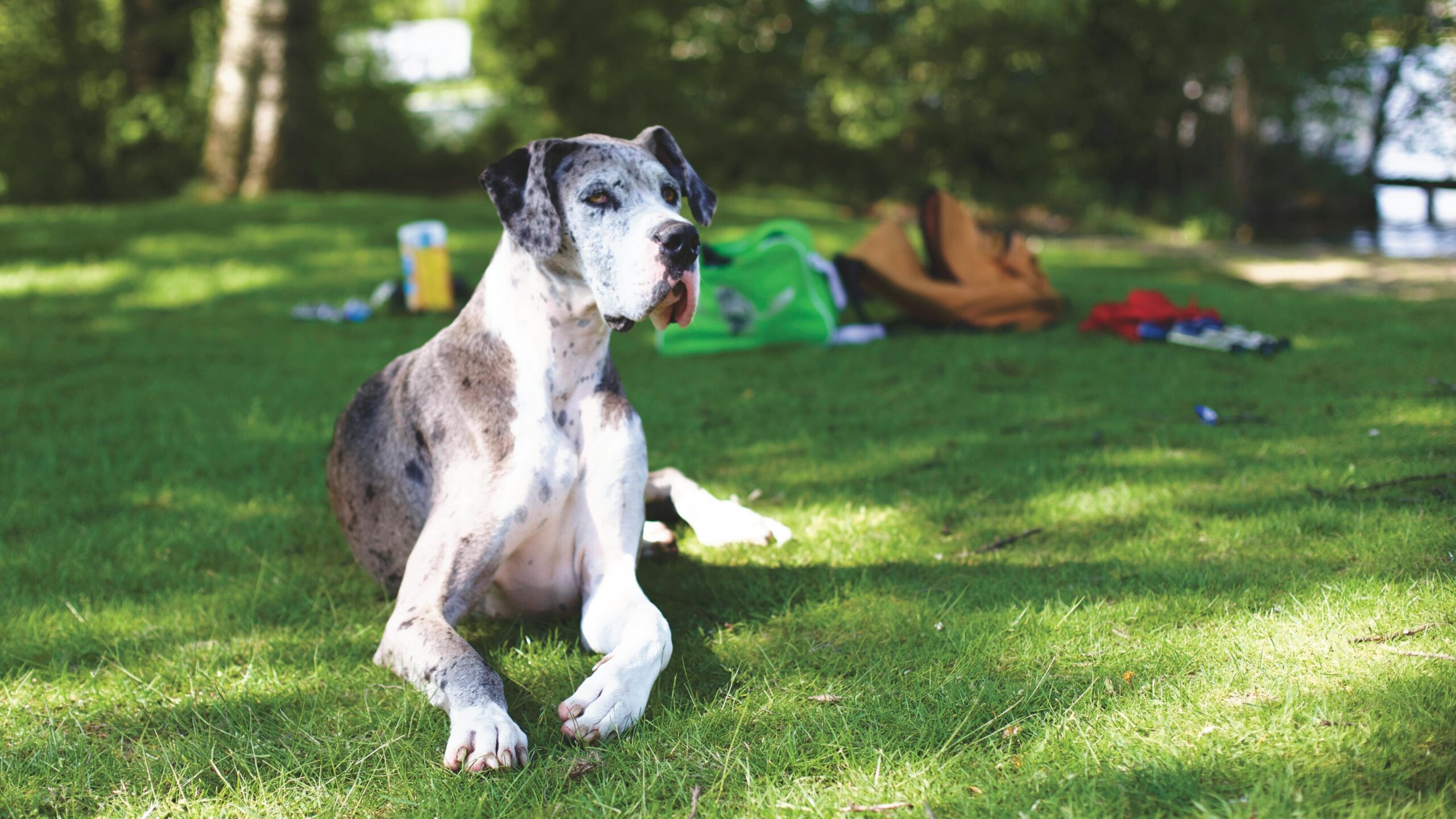
Heatstroke in Dogs: Early Warning Signs and Prevention Tips
Heatstroke in dogs is one of those dangers people assume they’ll recognise easily. A dog gets a bit too warm, pants more than usual, you offer water, and everything settles. The reality is far less forgiving. Heatstroke can escalate quickly, and by the time symptoms look dramatic, a dog may already be in serious trouble.
It’s also not limited to extreme heat. Mildly warm days, stuffy environments, overenthusiastic walks, or poor airflow can all create risk. Many cases happen in conditions that owners simply didn’t consider dangerous at the time.
A study in 2022 found that the most common cause of potentially fatal heatstroke in dogs was from being exercised by their owners in unsuitable temperatures. Meaning that owners who walked for long periods, ran or played with their dogs outdoors in hot temperatures were responsible for three-quarters of heat stroke cases. In contrast, hot weather alone was responsible for 13% of cases and being left in hot cars accounted for 5%.
Why Heatstroke Catches Owners Off Guard
Dogs don’t regulate heat like humans. There’s no sweating to cool the body down. Panting does most of the work, and when the surrounding air is hot, humid, or stagnant, that system struggles to keep up.
What often catches owners out is how quickly situations change. A car that feels cool when parked heats up fast. A pleasant walk becomes uncomfortable. A dog playing happily in the garden may have no real way to cool down if shade and airflow are limited.
Dogs also tend to push through discomfort. Many will keep walking, running, or playing long past the point they should stop.
Early Warning Signs of Heatstroke
Excessive Panting
Heavy, rapid panting is usually the first clear signal. Not the normal “just exercised” panting, but faster, louder, more urgent breathing. It may look laboured or distressed rather than simply warm.
Restlessness or Distress
Overheating frequently shows up as a behaviour change. A dog may seem unsettled, agitated, or unable to get comfortable. Some dogs suddenly stop during walks. Others appear anxious or disoriented.
Thick Drooling
Excessive salivation often accompanies heat stress. Drools may appear heavier or thicker than usual.
Lethargy or Weakness
As overheating progresses, dogs may seem unusually tired, slow, or wobbly. A normally energetic dog becoming sluggish is a serious warning sign.
Red or Pale Gums
Gum colour changes can indicate distress. Bright red, pale, or bluish gums should never be ignored.
Vomiting or Collapse
Vomiting, confusion, collapse, or seizures indicate an emergency requiring immediate veterinary attention.
What To Do If a Dog Is Overheating
Quick, calm action matters.
Move the dog into shade or a cooler environment immediately. Offer small amounts of water. Begin gentle cooling with cool (not ice-cold) water, focusing on paws, belly, and chest.
Avoid extreme cold or ice baths, which can shock the system.
If symptoms appear severe, contacting a vet should be the priority.
Prevention Tips That Actually Make a Difference
Simple adjustments dramatically reduce risk:
- Walk early morning or later evening
- Check pavement temperature before walks
- Always provide shade outdoors
- Ensure constant access to fresh water
- Avoid intense exercise in warm weather
- Maintain good airflow indoors
- Never leave dogs in parked cars
- Limit high-energy play on hot days
Heatstroke prevention is largely about awareness and routine adjustments.
Dogs Most at Risk
Some dogs are significantly more vulnerable:
- Flat-faced (brachycephalic) breeds
- Elderly dogs
- Puppies
- Overweight dogs
- Thick-coated breeds
- Dogs with respiratory issues
- Dogs with underlying health conditions
These dogs overheat faster and struggle more to cool down.
Frequently Asked Questions
How hot is too hot for a dog?
There’s no universal temperature, as humidity, breed, coat, and activity level all influence risk. Many vets warn that caution is needed once temperatures rise above 20–22°C, particularly for at-risk dogs.
Can dogs get heatstroke in the shade?
Yes. Poor airflow, high humidity, and warm surfaces still contribute to overheating even without direct sun.
Is panting always a sign of heatstroke?
No. Panting is normal after exercise or excitement. Concern arises when panting becomes excessive, frantic, or doesn’t settle with rest.
Should a dog be cooled with ice water?
No. Ice-cold water can cause shock. Gradual cooling with cool water is safer.
How quickly can heatstroke develop?
Very quickly. In high-risk conditions, overheating can become dangerous within minutes.
Heatstroke doesn’t begin dramatically. It starts subtly, then escalates fast. Recognising early warning signs and adjusting routines accordingly protects dogs from a situation that becomes serious far quicker than many owners expect.


