
Understanding the 3-3-3 Rule: Helping Your Rescue Dog Feel at Home
Adopting a rescue dog is one of the most rewarding and joyous things you can do. It’s a journey filled with highs and hiccups, as I’ve experienced firsthand through fostering and adopting from Dogs Trust Merseyside. The 3-3-3 Rule is a beacon of hope in this journey, guiding new adopters to manage expectations and support their dogs through the adjustment period.
Let’s start by understanding the 3-3-3 Rule, a key concept that will guide you in helping your rescue dog feel at home. The 3-3-3 Rule breaks the settling-in process into three key timeframes:
- 3 Days: Feeling overwhelmed
- 3 Weeks: Starting to settle in
- 3 Months: Feeling at home
Let’s unpack each stage and what you can do to help your rescue dog along the way.
The First 3 Days: Overwhelmed and Uncertain

Your new dog has likely just left a noisy kennel environment and arrived in an unfamiliar home. During these first few days, they may be:
- Withdrawn or nervous
- Unsure of routines
- Pacing, panting or hiding
- Not eating or drinking much
It’s completely normal.
Top tips for the first 3 days:
- Keep things calm and quiet — avoid visitors for now.
- Let your dog explore at their own pace.
- Use a crate or safe space if they need one.
- Stick to gentle walks and avoid busy places.
Think of it like jet lag — your dog’s world has changed overnight.
The First 3 Weeks: Settling In

After a few weeks, your dog will begin to relax. They’re learning your routines and might start showing more personality — both the sweet and the cheeky sides!
You might see:
- Testing of boundaries (think: chewing, barking)
- Increased energy or restlessness
- Improved appetite
- The first signs of bonding
Top tips for weeks 1–3:
- Be consistent with rules and routines.
- Start short training sessions using positive reinforcement.
- Give them space — not all dogs are ready for cuddles yet.
- Begin gentle exposure to new environments if they’re coping well.
This is when they start becoming your dog.
After 3 Months: Feeling at Home
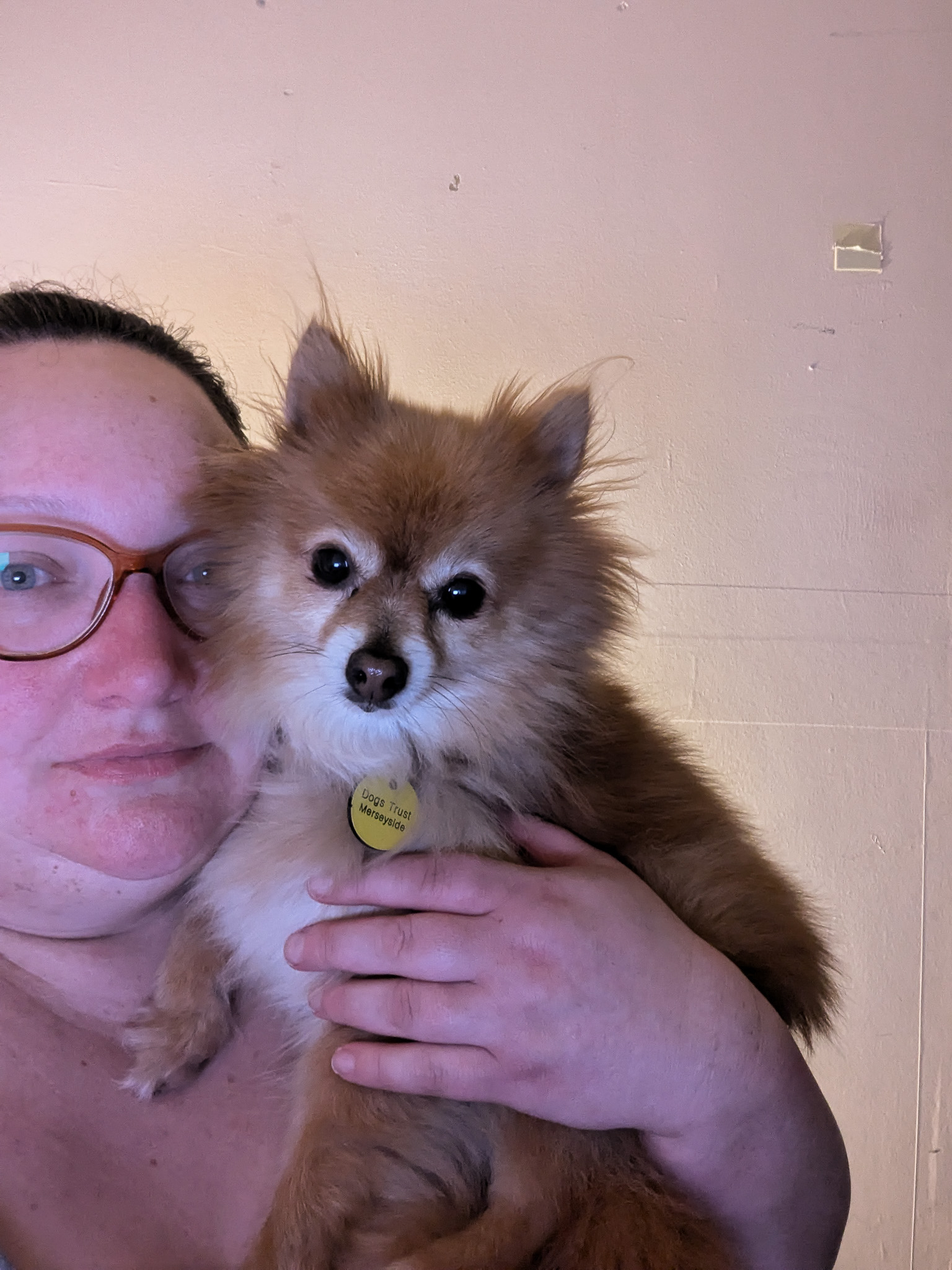
By three months, many dogs have settled into their new lives. They’ll likely be:
- Trusting their new people
- More confident and relaxed
- Fully in tune with the daily routine
- Showing loyalty and affection
This doesn’t mean the work is over — training and socialisation are ongoing — but it does mean you’re past the trickiest bits.
Top tips for life after 3 months:
- Keep reinforcing good behaviours.
- Introduce new experiences slowly (like the vet or car rides).
- Continue regular exercise and mental enrichment.
- Celebrate the small wins — progress matters more than perfection.
Why the 3-3-3 Rule Matters

Understanding this rule can help you stay patient and empathetic. It’s easy to expect a rescue dog to “know” they’ve been saved, but for them, it’s confusing and scary at first. Giving them time and structure makes all the difference.
It’s also worth remembering that many rescue dogs have never lived in a home before. They might not understand stairs, windows, or even what a toy is. That doesn’t make them “bad dogs” — just new learners.
UK Dog Rescue Statistics

Sadly, the need for dog adopters is greater than ever.
According to the latest Dogs Trust and RSPCA figures:
- Over 40,000 dogs enter UK shelters each year.
- Of those, around 29,000 are successfully rehomed.
- The cost-of-living crisis has contributed to a 34% increase in dog relinquishments across many UK shelters since 2022.
That’s thousands of dogs waiting for second chances — and thousands more who’ll thrive with time, love, and the right expectations.
A Personal Note from Me
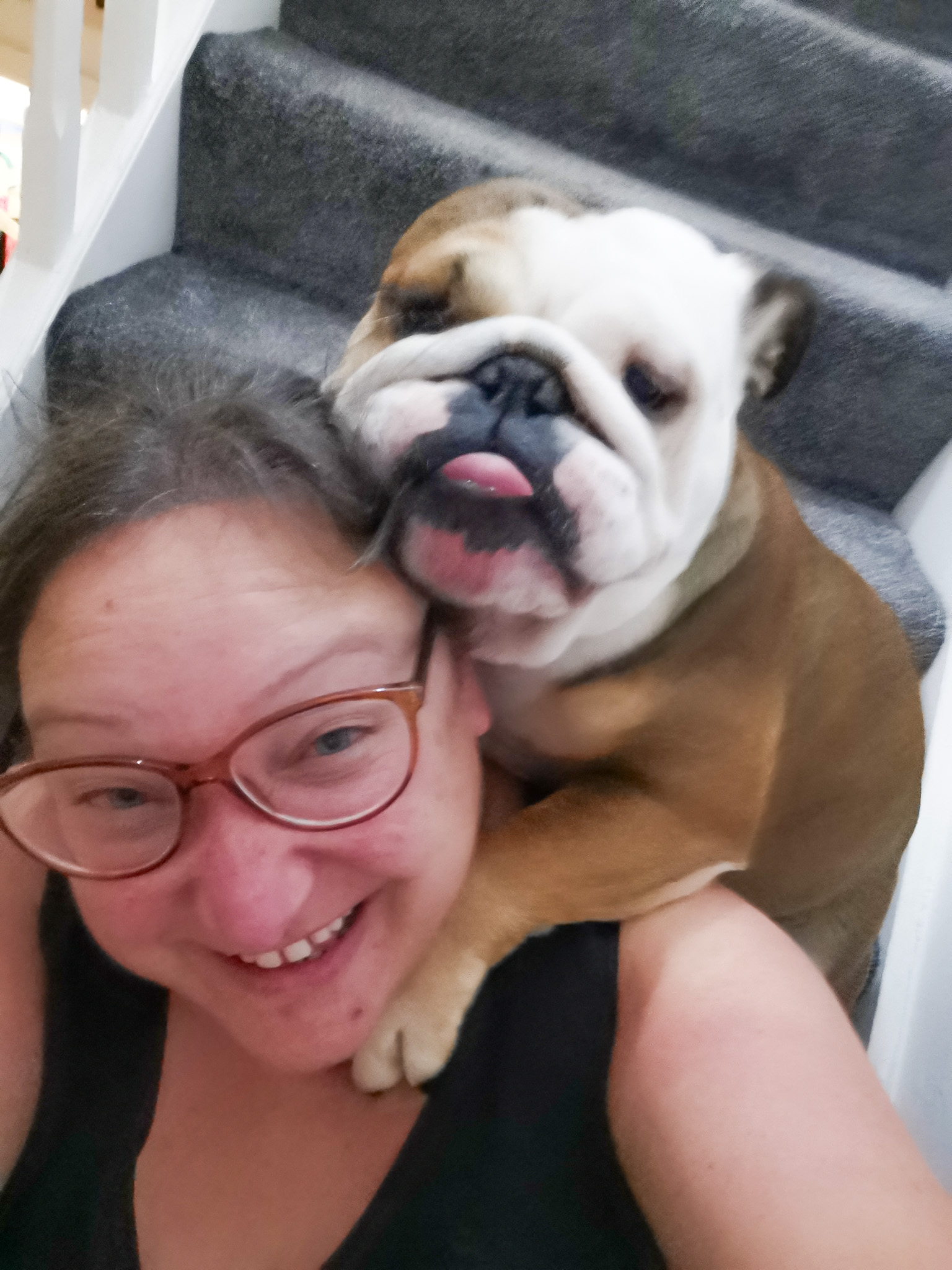
As someone who has fostered and adopted through Dogs Trust Merseyside, I can’t stress enough how different each dog is. Some settle in within days, others take months — but every single one has been worth the effort.
One of our previous fosters wouldn’t go upstairs for 6 weeks. Another howled the house down if left for 10 seconds. Today? They’re sofa-surfing, cheeky, happy dogs who rule the house (and the bed) in their new homes. That is apart from the Tegan our amazing beagle we adopted in January 2022 and who sadly passed from cancer in February 2023. And the beautiful and original foster dog Sophie, who succumbed to cancer in October 2024, Alfie, our Lhasa Dalmatian cross, who was handed in between Christmas and Year 2024/5 and was in extremely poor health and more recently Rosie, our feisty chihuahua, who sadly had too many health issues and ruptured her cruciate. Hopefully, all three are living their best rainbow heaven lives right now.


So if you’re adopting, stick with it — and don’t be afraid to ask for help. Your vet, rescue centre, or local dog trainer can be a great support.
Final Woof
Adopting a dog isn’t just about giving them a home — it’s about giving them time. The 3-3-3 Rule is a brilliant reminder to meet your rescue dog where they are and walk with them through each phase.
Because when you do? You’ll gain a friend for life.


