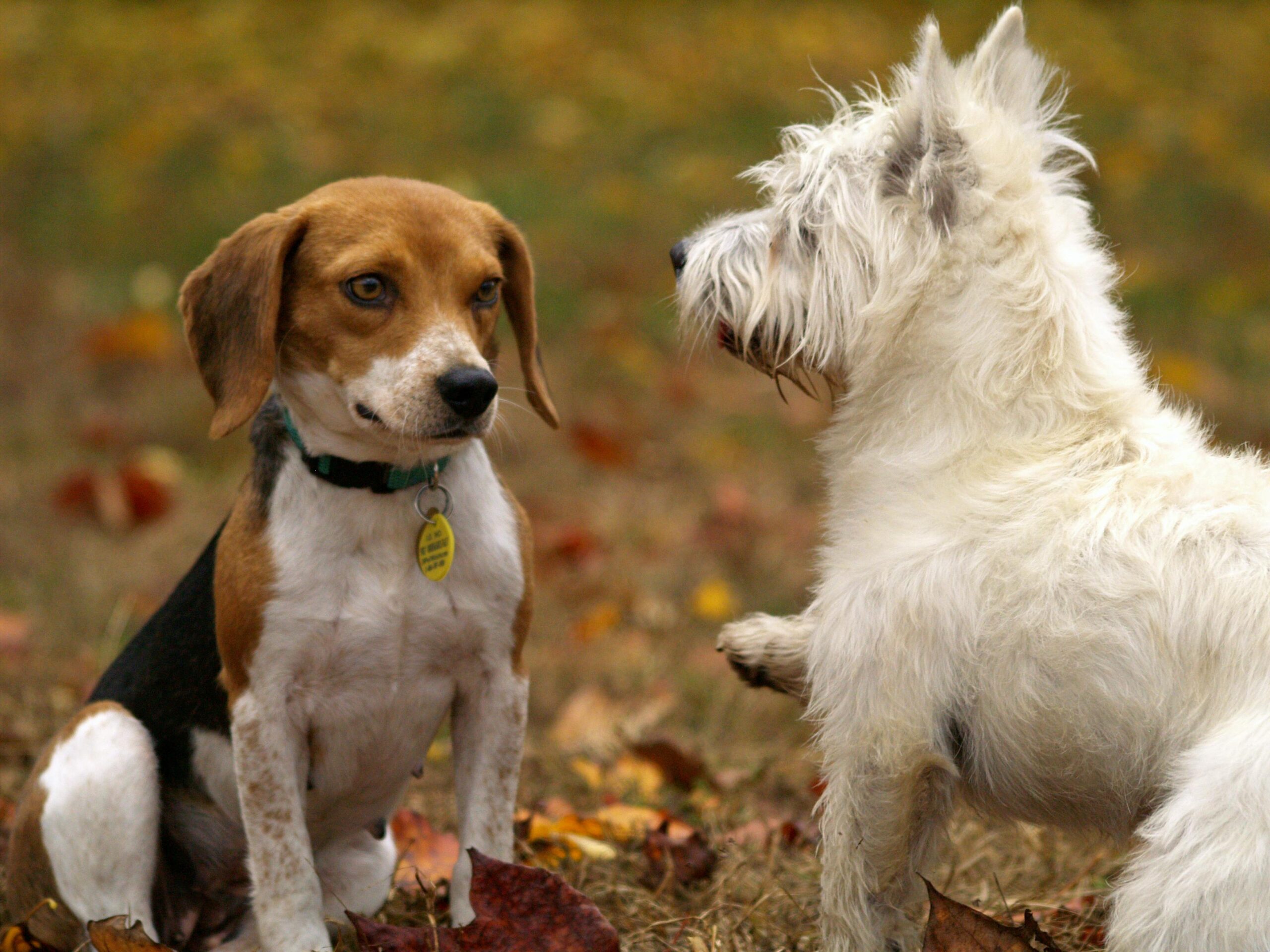
From Bounce to Bed: How to Spot When Your Dog Is Overtired
From the second I agreed to foster Marley, I knew I had bitten off more than I could chew. You see, I’m not puppy people. I am Beagle people, but not puppy people. And I know the chaos that comes with a senior Beagle, so agreeing to take on an eight-month-old Beagle cross was a decision I would live to regret.
And regret it I did every single second.
You see, Marley wasn’t a bad boy — far from it. He simply had too much energy for me. He was running circles around me, and I was getting dizzier and dizzier by the second. But it wasn’t just the energy. The boy had spent a lot of his life in kennels, meaning he needed to be taught everything from scratch. Everything I take for granted with my older dogs. Walking nicely. Greeting people and dogs properly. And of course, the major one: knowing how to switch off when he’s tired, so he doesn’t get overtired and become a demon puppy from hell.
It may have only been two weeks of Marley chaos, but they were intense weeks that led me to question my sanity, the sanity of people who willingly take on Beagle puppies (who hurt you?), and reinforced what I already knew: puppies are a no-go for me moving forward.
Why Overstimulation is a Problem
Here’s the thing — when dogs don’t know how to settle, it isn’t just inconvenient for you, it’s genuinely bad for them. Overtired dogs don’t make good decisions. They get mouthy, they push boundaries, they bark, they zoom until you’re ready to pack your bags and move out. And the worst part? People often mistake it for “not enough exercise” when really, more exercise just winds them up even further.
Think of it like a toddler past bedtime — wild-eyed, cranky, and bouncing off the walls. That’s not “fun” energy. That’s burnout.
The Night of the Demon Puppy
One evening, Marley worked himself up so much that he fixated on me, bouncing and mouthing and eventually biting at my knee. He looked possessed. I had two options: cry, or Google. So at midnight, I was sat there scrolling “how to calm an overstimulated dog” while wondering if padded trousers were a thing I needed to invest in.
What I ended up trying was desperate, but it worked. I took him into the bedroom with a bag of treats, turned my back, and went completely silent. Every time he paused, I dropped a treat. Every time he jumped, barked, or acted like a lunatic? Nothing.
It took over an hour. An hour of me sitting there, questioning every life choice that led me to this point. But eventually, he got it. Calm got him rewards. Chaos got him nothing. He flopped onto the bed, and for the first time that day, I could breathe.
How to Help Dogs Learn Calm (Without Losing Your Mind)
Marley taught me something that Dogs Trust also backs up in their training advice: you have to show dogs what “settling” looks like. It doesn’t just happen.
Some things that genuinely help (and saved my sanity):
- Reward calm: Don’t wait until they’re bouncing off the walls. Catch them lying down or choosing their bed and quietly reinforce it with a treat or fuss.
- Give them a safe spot: A crate, bed, or mat that’s always the “chill zone.” Reward them for using it so they learn it’s a good place to be.
- Brain over brawn: Don’t just walk them into the ground. Use their nose — scatter food, play scent games, try puzzle feeders. Mental work tires them out far more than endless fetch.
- Signal when fun is done: Put toys away, lower the energy, and move on to something calmer. Dogs aren’t mind-readers; you have to tell them the party’s over.
- Don’t punish excitement: Shouting or pushing them away doesn’t calm them down — it makes them more stressed. Quiet reinforcement of calm always works better.
Lessons from the Chaos
Marley was with me for two weeks, and while he nearly broke me, he also reminded me how easy it is to mistake overtired behaviour for “bad” behaviour. He wasn’t stubborn. He wasn’t mean. He was exhausted. He didn’t have an off switch, so I had to build one for him.
And that’s the thing with dogs like Marley — sometimes the kindest thing you can do is teach them how to rest. It takes patience, a pocketful of treats, and occasionally a few muttered swear words under your breath, but once they learn, you see the difference.
So if you’re sat there right now with a dog bouncing round your living room at 10 pm, zooming like their life depends on it, don’t reach for the lead and think another walk will fix it. What they need isn’t more energy out — it’s calm in. And calm, like sit or stay, is something you can teach.


