When the House Feels Too Quiet: Grieving Between Fosters
When a foster dog leaves, the house doesn’t just feel empty — it feels wrong. there is a silence between fosters you just cannot comprehend until you’re there.
The food bowls are gone. The blankets don’t need washing. The corners are quiet where barking or snoring used to be. And in the stillness, there’s this strange mix of emotions — grief, guilt, anticipation, even a flicker of relief that you hate yourself for feeling.
People often talk about the joy of fostering or the heartbreak of goodbye. But they don’t always talk about what happens in between — those days or weeks when the house is just too quiet, and you’re left sitting in the aftermath of another almost-dog, wondering what to do with the ache they’ve left behind.
The Space They Leave Behind
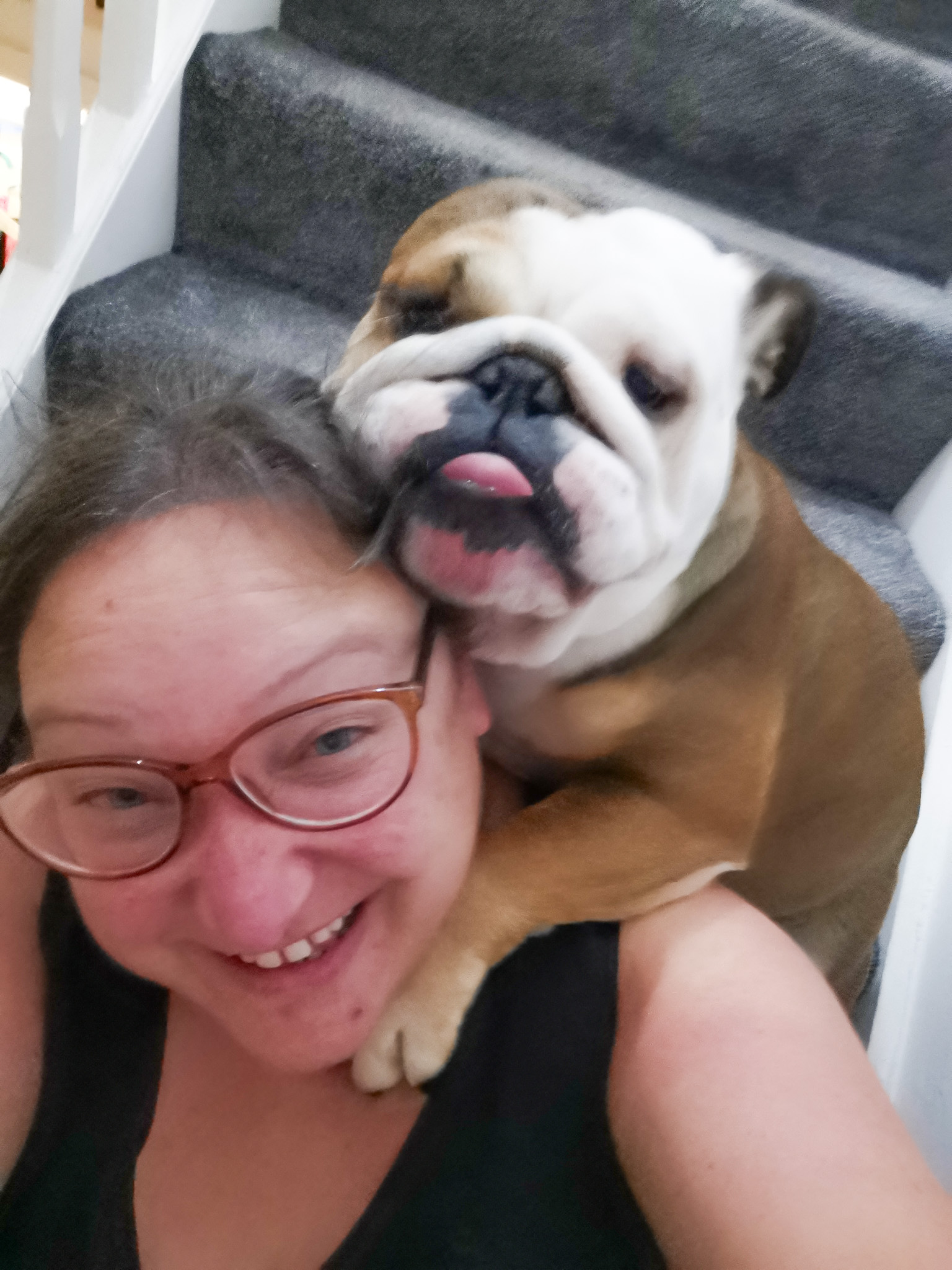
It happens every time. I take a dog in, and for however long they stay — days, weeks, months — I shape my life around them. We build routines. They learn my voice, I learn their cues. They have their spot on the sofa, their habits, their quirks. I get used to them following me to the toilet. I get used to the weight of them next to me on the bed. I get used to who I become around them.
And then, they leave.
I pack up their things. I clean their bowls. I check the corners for a forgotten toy. I vacuum the fur from the stairs, even though part of me wants to leave it there just a bit longer.
Then it sets in – the slince between fosters.
No snuffling in the morning. No tail hitting the cupboard door when I open the fridge. No gentle pressure of paws on my lap when I sit down. Just quiet. And it’s loud.
The Grief Between Dogs
It’s a strange kind of grief. It’s not the sharp pain of a dog dying, though I’ve known that too. It’s softer, in some ways — but no less real. It’s the grief of having loved, then letting go, then sitting in the waiting room of your own heart with no idea when the next guest will arrive.
It’s missing the chaos. The disruption. The joyful noise of living with a dog who’s learning to trust you. It’s wondering if they’re sleeping okay in their new home. If they’re scared. If they remember you.
And there’s always the question — the one that never really goes away — did I do enough?
The Guilt of the Quiet
I don’t always cry straight away once they’ve left I do before they go or on the drive up to the centre if I drop them off. Sometimes it takes a few days. Sometimes it hits in the middle of the post-dog clean-up — that strange, practical ritual where we start to put the house back together again.
It usually begins the day before they leave. We start gathering their things: their beds, their toys, their favourite blanket. The centre usually needs around a week after the meeting before they go to their new home, so we have time to prepare. There’s something about the process of packing up that feels both loving and cruel — a way of smoothing their journey forward while silently acknowledging they’re not staying.
Once they’ve gone, the silence is heavy. Sometimes, we don’t come straight home. We’ll go to Costa or Starbucks. We’ll go to the cinema — somewhere we wouldn’t have gone with a dog in tow. We avoid the house, if only for a little while.
And then comes the cleaning.
We wash the floors, hoover under the furniture, shake out blankets and check for stray toys. We get everything ready for the next one, or, if we’re not quite ready yet, we pack away the treats, the leads, the stair gates. Tidy everything back into its place. But even then, their presence lingers.
A week later, a lump of fur will creep out from under the sofa, like a little ghost of the chaos that was here. Or I’ll find a treat they buried under a cushion, and suddenly, I’m right back in it — remembering the sound of their paws, the wag of their tail, the look they gave me when they weren’t sure but wanted to trust.
Learning to Take Breaks
In the beginning, we didn’t pause much. One dog left, and the next came almost immediately. It was easier to keep going — to stay in motion and not feel the ache.
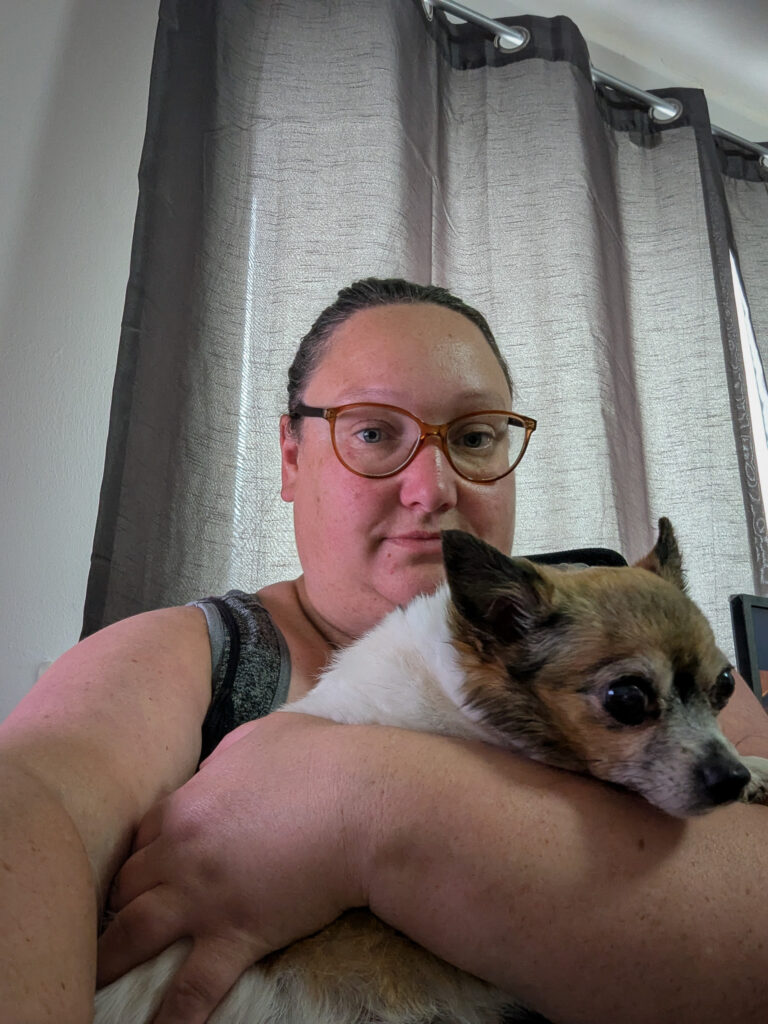
That changed after we lost Sophie in October 2024. That loss cracked something open, and we realised we needed space to breathe. So we took a break. And we’ve done it again now, after Rosie the Chihuahua. We’ve learned that it’s okay to pause. That we don’t have to fill the quiet straight away.
Breaks don’t mean we care any less. They just mean we’ve loved fully — and we’re taking time to reset before we do it again.
And we will do it again.
Because even though we relish the quiet now — the freedom to sleep in, go to the cinema, plan days out without needing a sitter — there’s still something missing.
A House Without a Dog
The truth is, a house can be peaceful and tidy and quiet. But without a dog, it’s just a house. A dog turns it into a home.
Their presence fills every nook and cranny. Not just with fur or mess or noise — but with life. With love. With purpose. And when they go, the house doesn’t stop being ours… but it does feel like it’s holding its breath, waiting for the next heartbeat to arrive.
Final Thoughts
Fostering is full of little goodbyes. Some are tearful. Some are joyful. Some come suddenly. Others, after long nights and hard choices. But the space they leave behind is always real — and it deserves to be felt.
So if you’re grieving between fosters, or wondering why the silence feels so loud, please know this: you’re not doing it wrong. You’re doing it with your whole heart.
And that’s exactly what they needed from you.


